10 Fun Phonics Activities for Kindergarten
Explore engaging phonics activities that make learning fun for kindergarten students. Discover creative ways to help kids learn phonics through play!
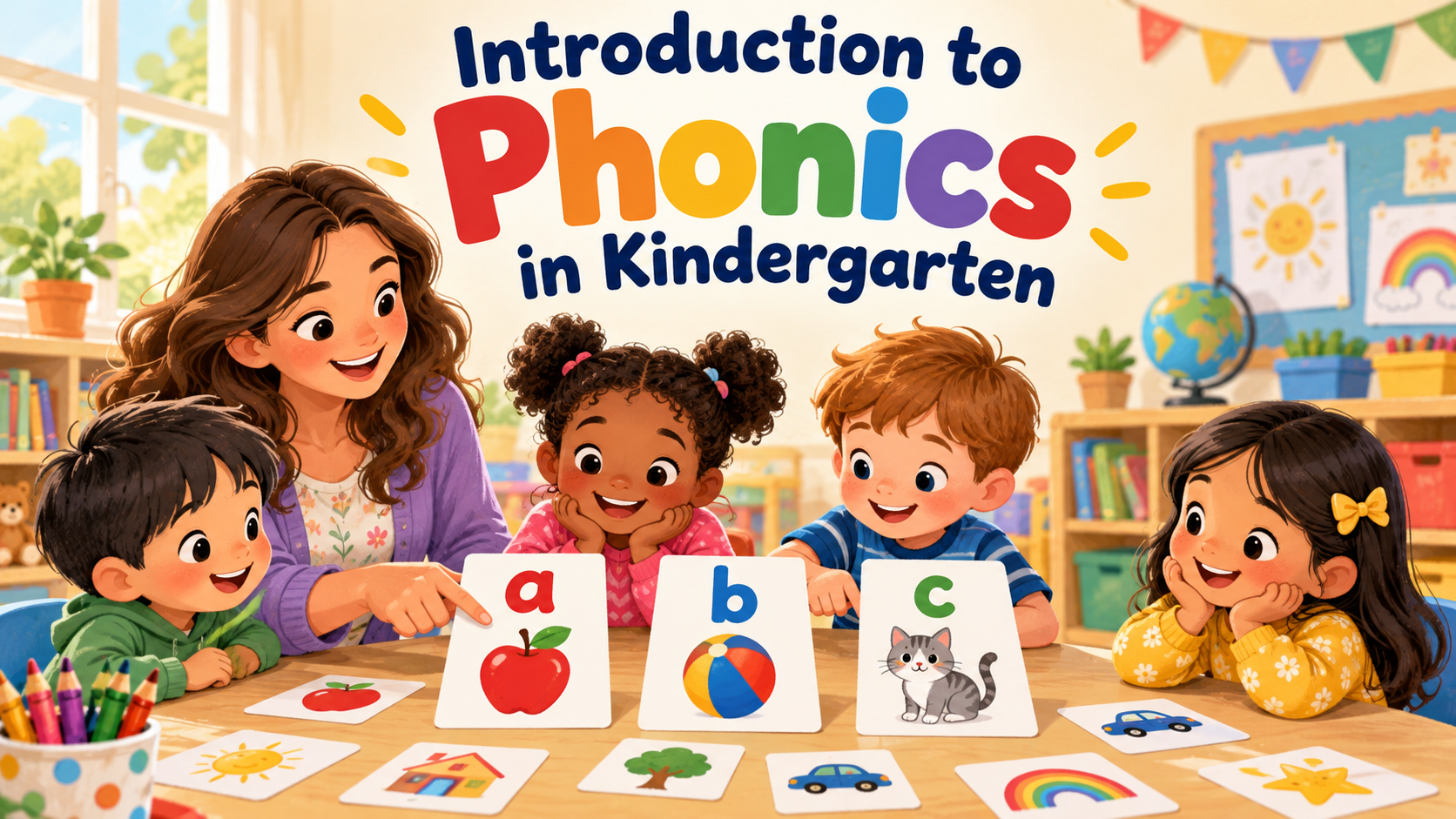
Introduction to Phonics in Kindergarten
Phonics is a fundamental component of early literacy education, helping young learners connect sounds with letters and words. For kindergarten students, mastering phonics means building a solid foundation for reading and writing. In this article, we will explore ten fun phonics activities designed to captivate young minds, making the learning process both enjoyable and effective.
1. Phonics Scavenger Hunt
Take learning outside with a phonics scavenger hunt! Create a list of items that start with different letters or phonetic sounds, and let the children search for them around the classroom or schoolyard.
Prepare a checklist of phonics-related items (e.g., “A is for apple, B is for ball”).
Encourage students to work in pairs or small groups.
After the hunt, have each group share what they found and the sounds associated with each item.
2. Phonics Bingo
Phonics Bingo is an excellent game that encourages recognition of sounds and letters. Create simple bingo cards featuring pictures or words that correspond to different phonetic sounds.
Every time a sound is called out, students mark the corresponding image or word on their cards.
This activity can help reinforce sound-letter connections while ensuring interaction.
3. Rhyming Word Match
Engaging children in rhyming activities helps them become aware of sound patterns. Create cards that pair rhyming words and let kids match them.
Encourage students to read the words aloud as they make matches.
This can be done as a group activity or as a fun game in pairs.
4. Letter and Sound Sorting
Sorting activities help children identify and categorize sounds associated with different letters. Provide students with a collection of letters and corresponding picture cards.
Ask them to sort the cards according to the initial sounds they hear.
This exercise promotes phonemic awareness and enhances their understanding of phonics.
5. Phonics Playdough Letters
Using playdough is not only fun, it’s also an excellent tactile way to learn phonics! Encourage students to form letters or words using playdough.
As they mold their letters, ask them to say the sound associated with each letter.
This combination of auditory and kinesthetic learning strengthens their phonics skills.
6. Sound Collage
Have students create a sound collage by cutting out pictures from magazines or printing images that represent words starting with a specific sound.
Each child can present their collage to the class, highlighting the sounds of the words depicted.
This encourages creativity while reinforcing the connection between phonics and real-world objects.
7. Story Time with Phonics Focus
Integrating phonics into story time can enhance listening skills and sound recognition. Choose stories that emphasize specific phonetic patterns or repeated sounds.
After reading, identify words from the story that fit the phonics focus.
Discuss the sounds, enhancing comprehension while having fun.
8. Phonics Hopscotch
Transform the classic game of hopscotch into a phonics-learning experience. Draw a hopscotch grid and write letters or phonetic sounds in each box.
As students hop to each box, they have to say the sound or a word that begins with that letter.
This active game is a great way to combine physical activity with phonics practice.
9. Interactive Phonics Apps and Games
Incorporating technology can make learning phonics exciting for today’s kids. There are various educational apps specifically designed for phonics practice.
Look for interactive games that encourage sound recognition, spelling, and word formation.
Such tools can be beneficial, especially in a structured at-home learning environment or as supplementary resources for teachers.
10. Phonics Challenge Board
Set up a ‘phonics challenge board’ where students are given small tasks to complete, all focused on phonics learning.
Challenges can include using a list of words to write sentences or identifying sounds in everyday words.
This encourages both independent and collaborative learning among students.
Conclusion
Engaging in phonics activities is crucial for kindergarten students as they build the skills necessary for reading and communication. These ten fun phonics activities not only make learning enjoyable but also effectively reinforce key concepts. By incorporating these activities into your classroom or home-based learning, you can foster a love for reading and help children learn phonics in a dynamic way. Start creating exciting phonics experiences for your kindergarteners today, and watch their literacy skills flourish!